Mastering The Art Of Managing Remote IoT Apps: A Comprehensive Guide
Let's face it, folks—managing remote IoT apps is no longer optional but essential for businesses today. Whether you're a tech-savvy entrepreneur or an IT professional, understanding how to manage these apps efficiently can make or break your operations. In this guide, we’ll dive deep into the world of remote IoT management, uncovering strategies, tools, and best practices that will help you stay ahead of the curve. So, buckle up, because we’re about to take you on a journey where tech meets innovation!
In today's fast-paced digital landscape, remote IoT app management has become a buzzword among tech enthusiasts. From smart homes to industrial automation, the Internet of Things (IoT) has revolutionized how we interact with technology. But with great power comes great responsibility, and managing these apps remotely requires a solid plan, the right tools, and a bit of finesse.
This guide isn’t just another tech article; it’s your go-to resource for mastering the art of managing remote IoT apps. We’ll break down complex concepts into bite-sized chunks, making it easier for you to grasp and implement. By the end of this read, you’ll be equipped with the knowledge and skills to optimize your IoT app management game.
Table of Contents
- Introduction to Remote IoT App Management
- Benefits of Managing Remote IoT Apps
- Essential Tools for Remote IoT App Management
- Securing Your Remote IoT App Environment
- Common Challenges in Remote IoT Management
- Best Practices for Managing Remote IoT Apps
- Ensuring Scalability in IoT App Management
- Integrating IoT Apps with Existing Systems
- Managing Data from Remote IoT Apps
- The Future of Remote IoT App Management
Introduction to Remote IoT App Management
Remote IoT app management refers to the process of monitoring, controlling, and maintaining IoT applications from a distance. This practice allows businesses to streamline their operations, reduce costs, and enhance productivity. By leveraging remote management tools, organizations can ensure that their IoT devices remain operational, secure, and up-to-date without the need for physical intervention.
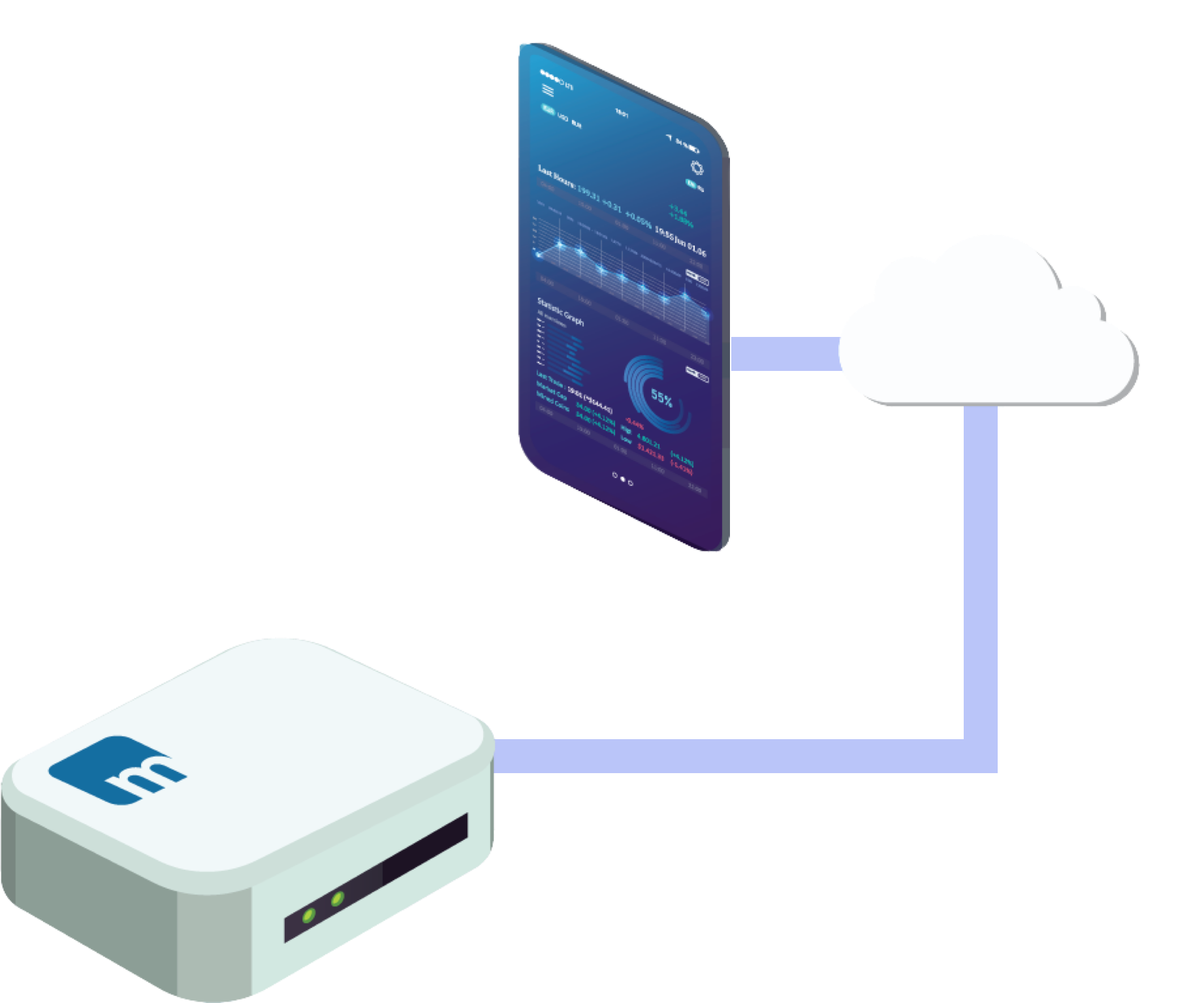
One of the key aspects of remote IoT app management is the ability to centralize control. Imagine having hundreds of IoT devices scattered across different locations. Without a centralized system, managing these devices would be chaotic. However, with the right tools and strategies, you can monitor device performance, update firmware, and troubleshoot issues from a single dashboard.
Why Remote IoT App Management Matters
In today’s interconnected world, businesses rely heavily on IoT devices to gather data, automate processes, and improve decision-making. However, managing these devices manually can be time-consuming and error-prone. Remote IoT app management eliminates these challenges by providing a scalable and efficient solution.
- Reduces operational costs by minimizing the need for on-site maintenance.
- Enhances device security by enabling real-time monitoring and updates.
- Improves efficiency by automating routine tasks and streamlining workflows.
Benefits of Managing Remote IoT Apps
Managing remote IoT apps offers a plethora of benefits that can significantly impact your business operations. From cost savings to improved security, here are some of the key advantages:
First off, remote management allows you to cut down on travel expenses. Instead of sending technicians to different locations, you can resolve issues remotely, saving both time and money. Plus, with real-time monitoring, you can detect and address potential problems before they escalate, reducing downtime and increasing productivity.
Cost Efficiency
By automating routine tasks such as firmware updates and device configuration, you can allocate your resources more effectively. This not only reduces labor costs but also ensures that your team can focus on more critical tasks that drive business growth.
Essential Tools for Remote IoT App Management
When it comes to managing remote IoT apps, having the right tools is crucial. These tools provide the infrastructure and functionality needed to monitor, control, and maintain your IoT devices efficiently. Here are some of the top tools you should consider:
- Device Management Platforms: Tools like AWS IoT Device Management and Microsoft Azure IoT Hub offer robust features for managing IoT devices at scale.
- Monitoring Tools: Solutions such as Grafana and Prometheus enable you to visualize and analyze data from your IoT devices in real time.
- Security Tools: Implementing security measures with tools like McAfee IoT Security and Palo Alto Networks can protect your devices from cyber threats.
Choosing the right tools depends on your specific needs and budget. It’s essential to evaluate each option carefully and select the ones that align with your business goals.
Securing Your Remote IoT App Environment
Security is a top concern when it comes to managing remote IoT apps. With the increasing number of cyber threats targeting IoT devices, ensuring the security of your app environment is paramount. Here are some strategies to help you secure your remote IoT apps:
Start by implementing strong authentication mechanisms, such as two-factor authentication (2FA), to protect access to your devices. Additionally, regularly update your firmware and software to patch any vulnerabilities. Encrypting data both in transit and at rest can also enhance security.
Best Security Practices
- Conduct regular security audits to identify and address potential risks.
- Use firewalls and intrusion detection systems to monitor and block unauthorized access.
- Implement a robust incident response plan to mitigate the impact of security breaches.
Common Challenges in Remote IoT Management
While remote IoT app management offers numerous benefits, it also comes with its fair share of challenges. From connectivity issues to device heterogeneity, these challenges can hinder your ability to manage IoT apps effectively. Here are some of the most common challenges and how to overcome them:
One of the biggest hurdles is ensuring reliable connectivity. IoT devices often operate in environments with limited or intermittent internet access. To address this, consider using low-power wide-area networks (LPWAN) or satellite communication technologies.
Device Heterogeneity
Managing a diverse range of devices with varying capabilities and protocols can be daunting. To tackle this challenge, adopt a standardized approach by using middleware solutions that provide a common interface for interacting with different devices.
Best Practices for Managing Remote IoT Apps
To succeed in managing remote IoT apps, it’s crucial to follow best practices that ensure efficiency, security, and scalability. Here are some tips to help you get started:
- Develop a comprehensive IoT strategy that aligns with your business objectives.
- Invest in scalable infrastructure that can accommodate future growth.
- Regularly train your team on the latest IoT technologies and management techniques.
By adhering to these best practices, you can create a robust framework for managing your remote IoT apps effectively.
Ensuring Scalability in IoT App Management
As your business grows, so does the number of IoT devices you need to manage. Ensuring scalability in your IoT app management strategy is essential to accommodate this growth without compromising performance. Here’s how you can achieve scalability:
Start by designing your system architecture with scalability in mind. Use cloud-based solutions that offer elastic scaling capabilities to handle increasing workloads. Additionally, implement automation wherever possible to reduce manual intervention and improve efficiency.
Cloud-Based Solutions
Cloud platforms like AWS and Google Cloud provide scalable infrastructure for managing IoT apps. These platforms offer features such as auto-scaling, load balancing, and data analytics, making it easier to manage large-scale IoT deployments.
Integrating IoT Apps with Existing Systems
Integrating IoT apps with existing systems can enhance their functionality and value. By connecting your IoT devices with enterprise applications and databases, you can unlock new insights and improve decision-making. Here’s how you can integrate IoT apps seamlessly:
Use APIs to establish communication between your IoT devices and existing systems. This allows for real-time data exchange and synchronization. Additionally, consider using middleware solutions that facilitate interoperability between different systems and devices.
Managing Data from Remote IoT Apps
Data is the lifeblood of IoT apps, and managing it effectively is crucial for deriving value from your IoT deployment. Here’s how you can manage data from remote IoT apps:
Start by implementing a robust data management strategy that includes data collection, storage, and analysis. Use big data analytics tools to process and interpret the vast amounts of data generated by your IoT devices. Additionally, ensure compliance with data privacy regulations to protect sensitive information.
Data Privacy
With the growing concern over data privacy, it’s essential to implement measures that safeguard user data. Encrypt sensitive information, anonymize data where possible, and obtain user consent before collecting and processing data.
The Future of Remote IoT App Management
The future of remote IoT app management looks promising, with advancements in technology driving innovation and efficiency. From AI-powered automation to edge computing, these trends will shape the future of IoT management. Here’s what you can expect:
AI and machine learning will play a significant role in automating routine tasks and optimizing device performance. Edge computing will enable faster data processing by reducing latency and bandwidth usage. These advancements will not only improve the efficiency of IoT app management but also enhance the overall user experience.
Conclusion
In conclusion, managing remote IoT apps is a critical aspect of modern business operations. By understanding the benefits, challenges, and best practices, you can create a robust framework for managing your IoT apps effectively. Remember to choose the right tools, prioritize security, and plan for scalability to ensure long-term success.
We encourage you to share your thoughts and experiences in the comments below. Have you faced any unique challenges in managing remote IoT apps? How did you overcome them? Let’s continue the conversation and learn from each other.