Mastering Remote IoT Platform SSH Key For Raspberry Pi Free: A Comprehensive Guide
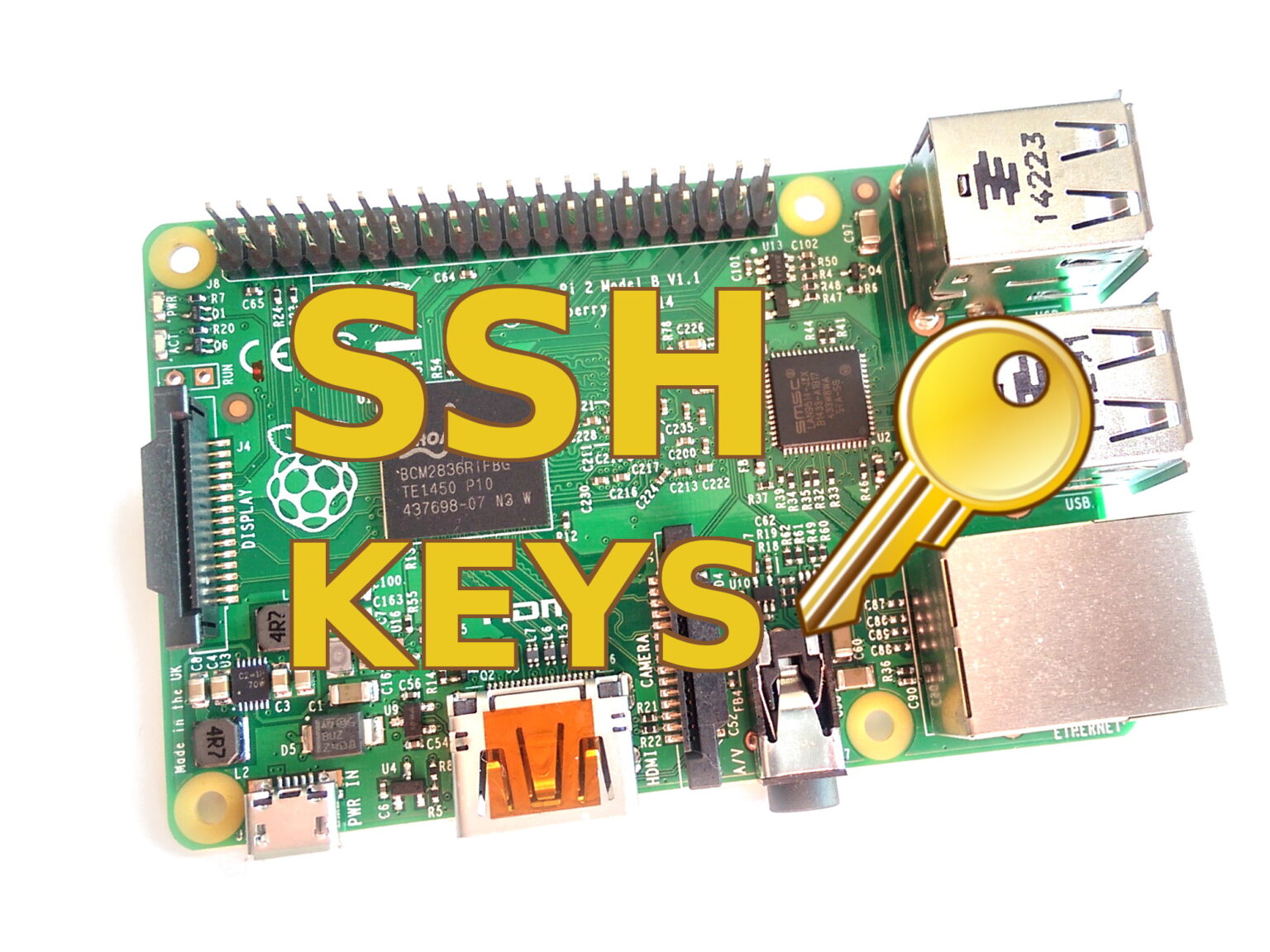
Imagine this—you’re sitting on a beach sipping on a cocktail, while miles away, your Raspberry Pi is humming along, managing your IoT devices like a champ. Sounds cool, right? Well, this is where the remote IoT platform with SSH key comes into play. With just a few tweaks and configurations, you can remotely access and control your Raspberry Pi, all for free. But before we dive deep into the nitty-gritty, let’s talk about why this setup is a game-changer.
Whether you're a tech enthusiast, a hobbyist, or someone looking to automate their home, the ability to remotely control your IoT devices through a Raspberry Pi is something worth exploring. By setting up an SSH key, you eliminate the need for passwords, enhance security, and simplify your workflow. It’s like giving your Raspberry Pi a superpower without breaking the bank.
This guide will walk you through everything you need to know about configuring a remote IoT platform using SSH keys on a Raspberry Pi, all for free. From setting up the hardware to securing your connection, we’ve got you covered. So grab a cup of coffee, and let’s get started!
Here’s a quick overview of what we’ll cover in this guide:
- What is a Remote IoT Platform and Why Should You Care?
- Understanding SSH Keys and Their Importance
- Setting Up Your Raspberry Pi for Remote Access
- Generating and Configuring SSH Keys
- Connecting to Your Raspberry Pi Remotely
- Troubleshooting Common Issues
- Best Practices for Security
- Exploring Free Tools and Platforms
- Advanced Tips for IoT Enthusiasts
- Conclusion and Next Steps
What is a Remote IoT Platform and Why Should You Care?
In today’s interconnected world, IoT (Internet of Things) has become a buzzword for good reason. From smart homes to industrial automation, IoT devices are transforming the way we live and work. But managing these devices remotely can be a challenge, especially when you’re not physically present.
A remote IoT platform allows you to monitor and control your IoT devices from anywhere in the world. Whether you’re turning off a light bulb or checking the temperature of your greenhouse, this setup gives you the flexibility to manage your devices effortlessly. And when you pair it with a Raspberry Pi, you’ve got a powerful, affordable solution that’s easy to set up.
Why Choose Raspberry Pi for Your IoT Projects?
Raspberry Pi is a tiny yet powerful computer that’s perfect for IoT projects. It’s affordable, energy-efficient, and highly customizable. With its GPIO pins and support for various programming languages, it’s a favorite among hobbyists and professionals alike.
Here are some reasons why Raspberry Pi is the go-to choice for IoT enthusiasts:
- Affordable and widely available
- Supports a wide range of operating systems
- Highly customizable and expandable
- Large community and tons of resources
Understanding SSH Keys and Their Importance
SSH (Secure Shell) is a protocol that allows you to securely connect to remote devices over an unsecured network. It’s like having a secret handshake with your Raspberry Pi, ensuring that only authorized users can access it. But what makes SSH keys so important?
SSH keys provide a more secure way of authenticating users compared to traditional passwords. Instead of relying on a password that can be easily guessed or brute-forced, SSH keys use cryptographic algorithms to establish a secure connection. This not only enhances security but also simplifies the login process.
How Do SSH Keys Work?
SSH keys work in pairs—a public key and a private key. The public key is stored on the server (in this case, your Raspberry Pi), while the private key is kept securely on your local machine. When you try to connect to your Raspberry Pi, the server verifies your identity by checking the public key against your private key.
Here’s a quick breakdown of how SSH keys work:
- Generate a key pair (public and private)
- Upload the public key to your Raspberry Pi
- Use the private key to authenticate and connect
Setting Up Your Raspberry Pi for Remote Access
Before you can start using SSH keys, you need to set up your Raspberry Pi for remote access. This involves configuring the necessary settings and ensuring that your Pi is ready to accept connections from the outside world.
Here’s a step-by-step guide to help you get started:
- Install the latest version of Raspberry Pi OS on your Pi
- Enable SSH by creating an empty file named "ssh" on the boot partition
- Set a static IP address for your Raspberry Pi
- Configure your router to forward SSH traffic to your Pi
Choosing the Right Operating System
While Raspberry Pi OS is the most popular choice, there are other operating systems you can use depending on your project requirements. Some popular options include:
- Ubuntu Server for Raspberry Pi
- Debian
- Arch Linux
Generating and Configuring SSH Keys
Now that your Raspberry Pi is ready for remote access, it’s time to generate and configure your SSH keys. This step is crucial for ensuring a secure connection between your local machine and your Pi.
Here’s how you can generate SSH keys on your local machine:
- Open a terminal or command prompt
- Run the command:
ssh-keygen -t rsa -b 4096 - Follow the prompts to save the key and set a passphrase (optional)
Uploading Your Public Key to Raspberry Pi
Once you’ve generated your SSH keys, you need to upload the public key to your Raspberry Pi. Here’s how you can do it:
- Connect to your Raspberry Pi using SSH
- Create a directory named
.sshin your home directory - Create a file named
authorized_keysand paste your public key into it
Connecting to Your Raspberry Pi Remotely
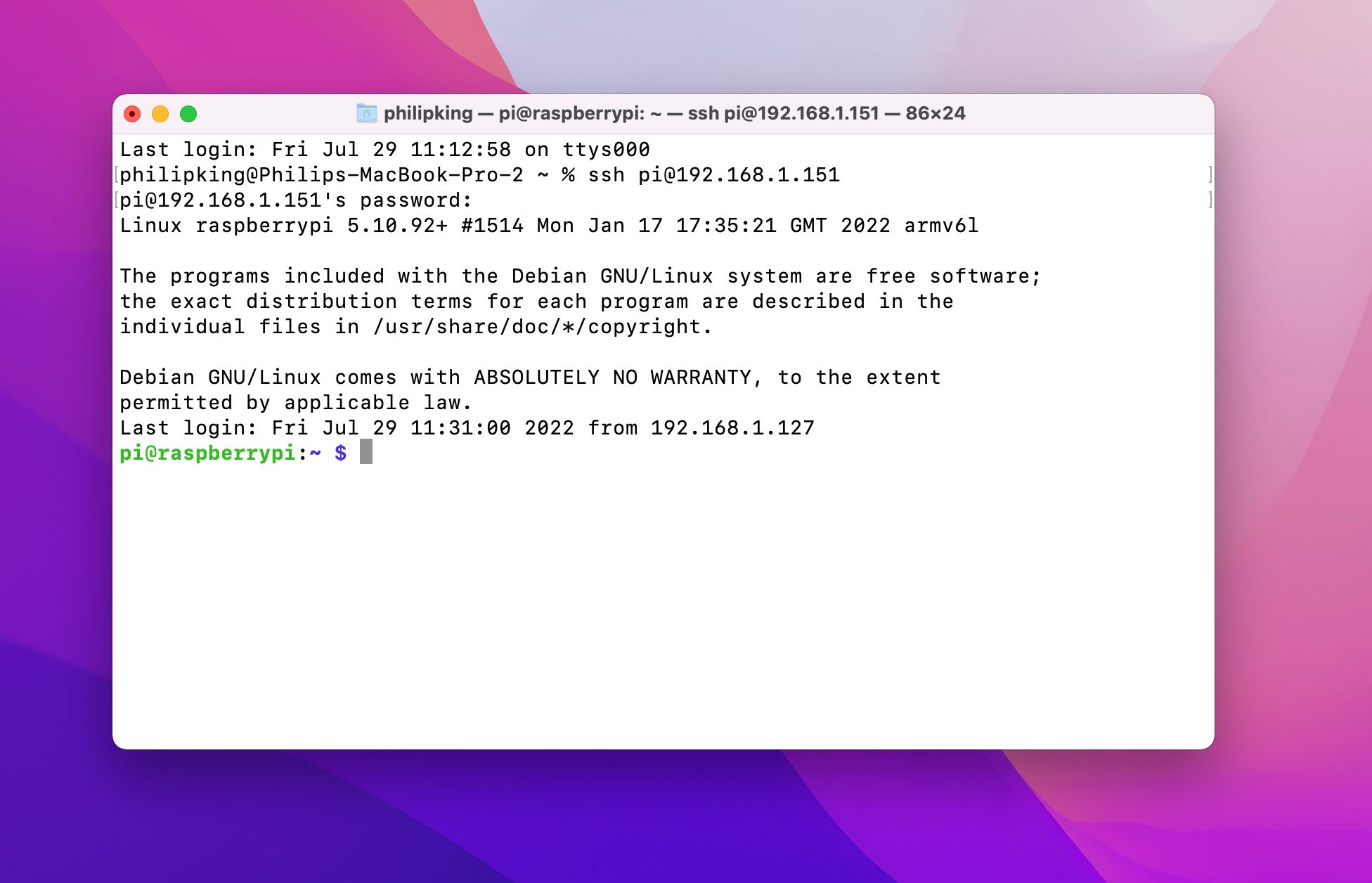
With your SSH keys in place, you’re ready to connect to your Raspberry Pi remotely. This process is straightforward and can be done using any SSH client on your local machine.
Here’s how you can connect to your Raspberry Pi:
- Open your SSH client
- Enter the command:
ssh username@ip_address - Authenticate using your private key
Tips for a Smooth Connection
While connecting to your Raspberry Pi remotely, you might encounter a few issues. Here are some tips to ensure a smooth connection:
- Ensure your Raspberry Pi is connected to the internet
- Double-check your IP address and port settings
- Verify that SSH is enabled on your Pi
Troubleshooting Common Issues
Even with the best setup, things can go wrong. Here are some common issues you might encounter when setting up a remote IoT platform with SSH keys and how to fix them:
- Connection Refused: Check your firewall settings and ensure that SSH is enabled on your Pi.
- Permission Denied: Verify that your public key is correctly uploaded to the
authorized_keysfile. - Timeout Errors: Ensure that your router is forwarding SSH traffic to your Pi.
Best Practices for Security
Security should always be a top priority when setting up a remote IoT platform. Here are some best practices to keep your Raspberry Pi and IoT devices secure:
- Use strong, unique SSH keys
- Disable password authentication
- Regularly update your Raspberry Pi and IoT devices
- Monitor your SSH logs for suspicious activity
Exploring Free Tools and Platforms
While Raspberry Pi is a powerful tool, there are other free tools and platforms you can use to enhance your IoT projects. Here are some worth exploring:
- Home Assistant: A popular platform for managing smart home devices.
- Node-RED: A flow-based programming tool for IoT projects.
- Mosquitto: An open-source MQTT broker for messaging between IoT devices.
Advanced Tips for IoT Enthusiasts
If you’re looking to take your IoT projects to the next level, here are some advanced tips to consider:
- Set up a reverse SSH tunnel for secure connections
- Automate tasks using cron jobs and scripts
- Integrate machine learning models for smarter decision-making
Conclusion and Next Steps
In this guide, we’ve covered everything you need to know about setting up a remote IoT platform with SSH keys on a Raspberry Pi, all for free. From configuring your Raspberry Pi to securing your connection, we’ve explored the key steps to ensure a smooth and secure setup.
So what’s next? Here are a few ideas to keep you inspired:
- Explore new IoT projects and devices
- Join online communities to share your knowledge and learn from others
- Stay up-to-date with the latest trends and technologies in the IoT space
Don’t forget to leave a comment and share your experiences with us. Happy tinkering!