Remote IoT VPC Network Example: Your Ultimate Guide To Building A Secure And Efficient System
Hey there, tech enthusiasts! If you're diving into the world of IoT and cloud networking, you've probably stumbled upon the term "remote IoT VPC network example." But what exactly does it mean, and why should you care? Well, buckle up because this article is about to blow your mind with everything you need to know about creating a secure, scalable, and efficient remote IoT VPC network. Whether you're a beginner or a seasoned pro, this guide will walk you through the basics, advanced techniques, and best practices to help you build something truly awesome.
In today's fast-paced digital world, connecting devices remotely while maintaining security is no longer a luxury—it's a necessity. Remote IoT VPC networks allow businesses to manage and monitor devices from anywhere in the world, ensuring smooth operations and real-time data collection. This setup is crucial for industries like manufacturing, agriculture, healthcare, and even smart homes.
But here's the kicker: setting up a remote IoT VPC network isn't as simple as plugging in a few devices. It requires careful planning, the right tools, and a solid understanding of how everything works together. That's where we come in. In this article, we'll break down every aspect of remote IoT VPC networks, from the basics to the nitty-gritty details, so you can get started with confidence.
What is a Remote IoT VPC Network?
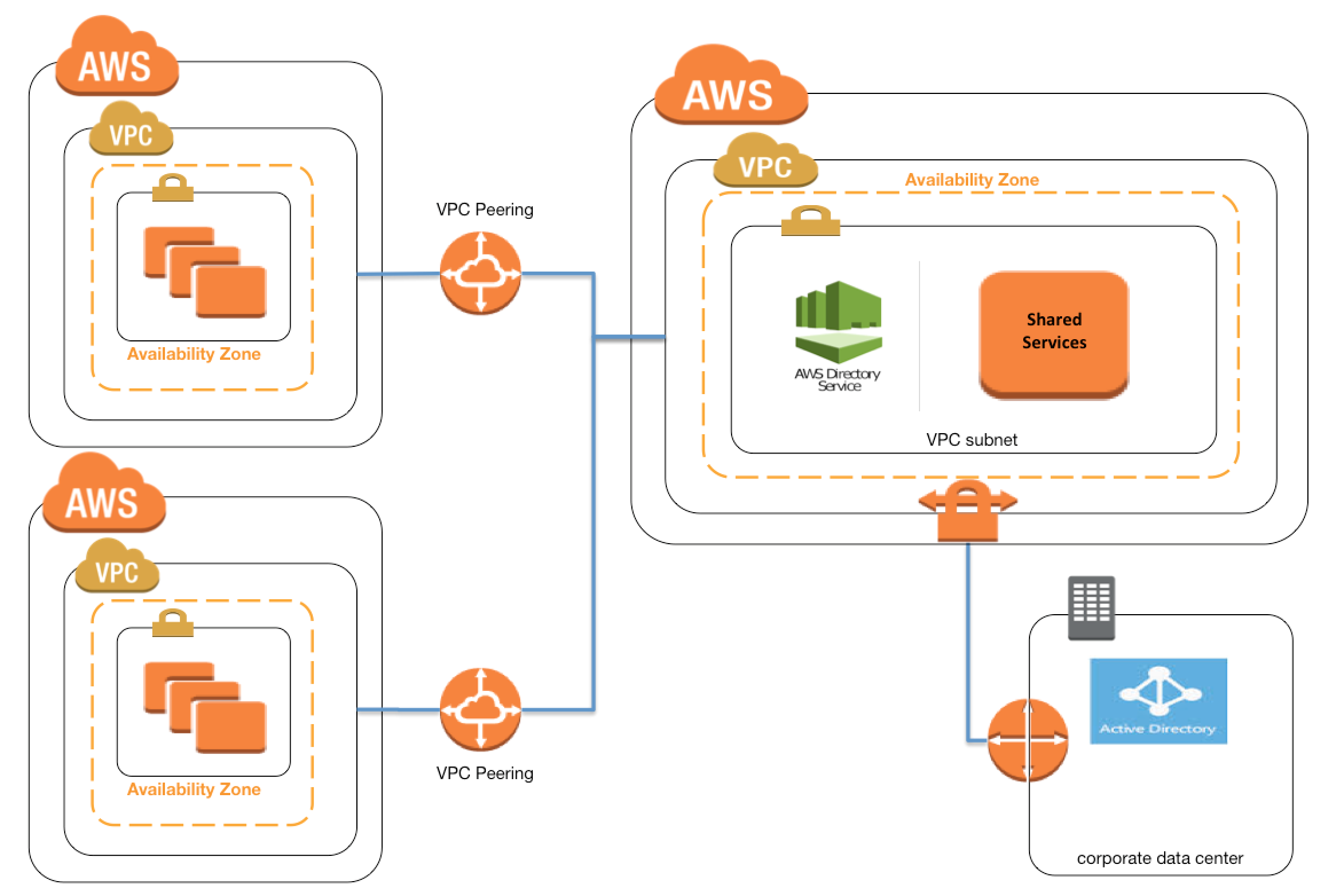
Let's start with the basics. A remote IoT VPC network is essentially a virtual private cloud (VPC) environment that allows IoT devices to communicate securely over the internet. Think of it as a private network within the public cloud, where all your IoT devices can connect, share data, and perform tasks without exposing sensitive information to the outside world.
Here's the deal: VPC stands for Virtual Private Cloud, and it's a key component of cloud computing platforms like AWS, Google Cloud, and Azure. By setting up a VPC for your IoT devices, you can control access, manage traffic, and ensure data privacy—all while keeping everything running smoothly.
Now, why is this important? Well, imagine having hundreds or even thousands of IoT devices scattered across different locations. Without a proper VPC setup, managing all those devices and ensuring their security would be a nightmare. But with a remote IoT VPC network, you can centralize control, reduce complexity, and improve overall efficiency.
Why Do You Need a Remote IoT VPC Network?
In today's hyper-connected world, security is everything. And that's where a remote IoT VPC network shines. By isolating your IoT devices within a virtual private cloud, you can protect them from unauthorized access, cyber threats, and data breaches. But that's not all—here are some other reasons why you should consider setting up a remote IoT VPC network:
- Enhanced Security: Keep sensitive data and devices safe from prying eyes.
- Scalability: Easily add or remove devices as your needs grow.
- Centralized Management: Control all your devices from a single dashboard.
- Cost-Effective: Save money by optimizing resource usage and reducing downtime.
- Real-Time Data: Get instant access to critical information and insights.
So, whether you're running a small business or a large enterprise, a remote IoT VPC network can help you achieve your goals while keeping everything secure and organized.
How to Set Up a Remote IoT VPC Network Example
Alright, let's get down to business. Setting up a remote IoT VPC network might sound intimidating, but with the right guidance, it's actually pretty straightforward. Here's a step-by-step guide to help you get started:
Step 1: Define Your Requirements
Before diving into the technical stuff, take a moment to think about what you want to achieve with your remote IoT VPC network. Ask yourself questions like:
- How many devices will I be managing?
- What kind of data will I be collecting?
- What level of security do I need?
- Will I need to scale up in the future?
Having a clear understanding of your requirements will help you design a network that meets your specific needs.
Step 2: Choose the Right Cloud Platform
Now it's time to select a cloud platform for your VPC. Some popular options include:
- AWS IoT Core
- Google Cloud IoT Core
- Azure IoT Hub
Each platform has its own strengths and weaknesses, so do your research and choose the one that best fits your use case. For example, AWS is great for scalability, while Google Cloud excels in machine learning capabilities.
Step 3: Design Your VPC Architecture
Once you've chosen a platform, it's time to design your VPC architecture. This involves creating subnets, setting up routing tables, and configuring security groups. Don't worry if this sounds complicated—we'll break it down for you:
- Create Public and Private Subnets: Public subnets allow internet access, while private subnets keep devices isolated.
- Set Up NAT Gateways: These allow devices in private subnets to communicate with the internet without exposing them directly.
- Configure Security Groups: Define rules for inbound and outbound traffic to control access to your devices.
By following these steps, you can create a robust and secure VPC architecture that supports your IoT devices.
Best Practices for Remote IoT VPC Networks
Now that you know how to set up a remote IoT VPC network, let's talk about some best practices to keep everything running smoothly:
1. Use Strong Authentication
Always use strong authentication methods like certificates, tokens, or multi-factor authentication to ensure only authorized users can access your network.
2. Regularly Update Firmware
Keep your IoT devices up to date with the latest firmware to protect against vulnerabilities and improve performance.
3. Monitor Network Traffic
Regularly monitor your network traffic for any suspicious activity or anomalies that could indicate a security breach.
4. Encrypt Data in Transit
Always encrypt data as it travels between devices and the cloud to prevent interception by malicious actors.
5. Backup Your Data
Make sure to regularly back up your data to prevent loss in case of hardware failure or other issues.
By following these best practices, you can ensure your remote IoT VPC network remains secure and reliable.
Common Challenges and Solutions
Of course, setting up a remote IoT VPC network isn't without its challenges. Here are some common issues you might face and how to solve them:
Challenge 1: Network Latency
Solution: Use edge computing to process data closer to the source, reducing latency and improving performance.
Challenge 2: Security Threats
Solution: Implement robust security measures like firewalls, intrusion detection systems, and regular security audits.
Challenge 3: Scalability Issues
Solution: Design your VPC architecture to be scalable from the start, allowing you to easily add or remove resources as needed.
By addressing these challenges head-on, you can overcome obstacles and create a successful remote IoT VPC network.
Real-World Remote IoT VPC Network Example
To give you a better idea of how a remote IoT VPC network works in practice, let's look at a real-world example. Imagine a smart agriculture system that uses IoT sensors to monitor soil moisture, temperature, and humidity levels. Here's how a remote IoT VPC network could be set up:
- Deploy IoT sensors across the farm.
- Connect the sensors to a VPC in the cloud.
- Use machine learning algorithms to analyze data and provide insights.
- Automatically adjust irrigation systems based on real-time data.
This setup allows farmers to make data-driven decisions, optimize resource usage, and increase crop yields—all while maintaining security and privacy.
Data and Statistics to Support Your Remote IoT VPC Network
Let's take a look at some data and statistics to highlight the importance of remote IoT VPC networks:
- By 2025, there will be over 75 billion IoT devices connected worldwide (Statista).
- IoT security breaches cost businesses an average of $4 million per incident (IBM).
- Cloud computing adoption is expected to reach 90% by 2023 (Gartner).
These numbers show just how crucial it is to have a secure and efficient remote IoT VPC network in place.
Conclusion: Take Action Today!
So there you have it—everything you need to know about remote IoT VPC networks. From understanding the basics to setting up your own network, this guide has covered it all. But don't just stop here! Take action today by:
- Defining your requirements
- Choosing the right cloud platform
- Designing your VPC architecture
- Implementing best practices
And remember, the world of IoT is constantly evolving, so stay informed and keep learning. If you found this article helpful, don't forget to share it with your friends and colleagues. Together, let's build a smarter, more connected future!
Table of Contents
What is a Remote IoT VPC Network?
Why Do You Need a Remote IoT VPC Network?
How to Set Up a Remote IoT VPC Network Example
Step 1: Define Your Requirements
Step 2: Choose the Right Cloud Platform
Step 3: Design Your VPC Architecture
Best Practices for Remote IoT VPC Networks
Common Challenges and Solutions
Real-World Remote IoT VPC Network Example
Data and Statistics to Support Your Remote IoT VPC Network
Conclusion: Take Action Today!

![[Remote Access & VPN] Solutions For Security & IoT Download & Info](https://docs.aws.amazon.com/images/whitepapers/latest/aws-vpc-connectivity-options/images/image15.png)

