Mastering Remote IoT VPC Network With Raspberry Pi AWS Download
Hey there, tech enthusiasts! If you're diving into the world of IoT and cloud computing, you're in for a wild ride. Building a remote IoT VPC network with Raspberry Pi and AWS is not just a buzzword anymore—it's a game-changer. This setup allows you to create a secure, scalable, and efficient network that connects devices from anywhere in the world. So, buckle up, because we're about to unravel the secrets behind this powerful combination!
Imagine this: you have a fleet of IoT devices scattered across the globe, and you need a centralized system to manage them all. Enter Raspberry Pi and AWS. Together, they form a powerhouse that can handle everything from data collection to processing and storage. Whether you're a hobbyist or a professional developer, this setup has something for everyone.
Now, before we dive deep into the nitty-gritty, let me assure you that this guide is packed with actionable insights, tips, and tricks. We'll cover everything you need to know, from setting up your Raspberry Pi to configuring your VPC network on AWS. By the end of this article, you'll be well-equipped to create your own remote IoT network. Ready? Let's go!
What is a Remote IoT VPC Network?
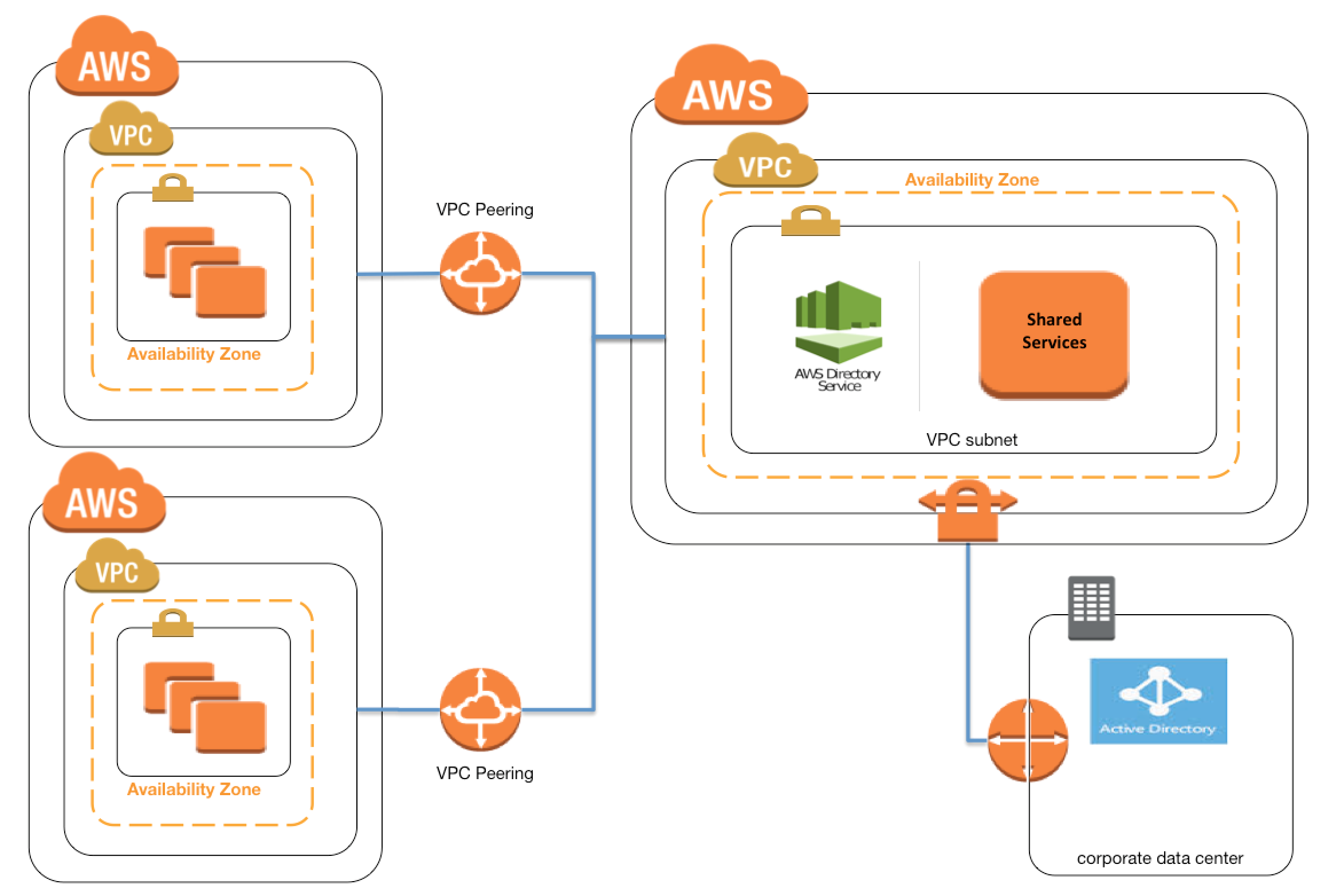
A Remote IoT VPC Network is essentially a virtual private cloud (VPC) environment that connects your IoT devices securely over the internet. VPCs provide a dedicated network section within AWS, allowing you to launch resources in a virtual network that you define. This setup ensures that your data remains safe and isolated from the public internet.
When combined with Raspberry Pi, which acts as a lightweight and cost-effective gateway, this system becomes incredibly versatile. You can deploy applications, monitor devices, and manage data flows with ease. Plus, AWS offers a wide range of services that can be integrated into your VPC, such as Lambda, S3, and IoT Core, making it a scalable solution for any project.
Why Choose Raspberry Pi for Your IoT Setup?
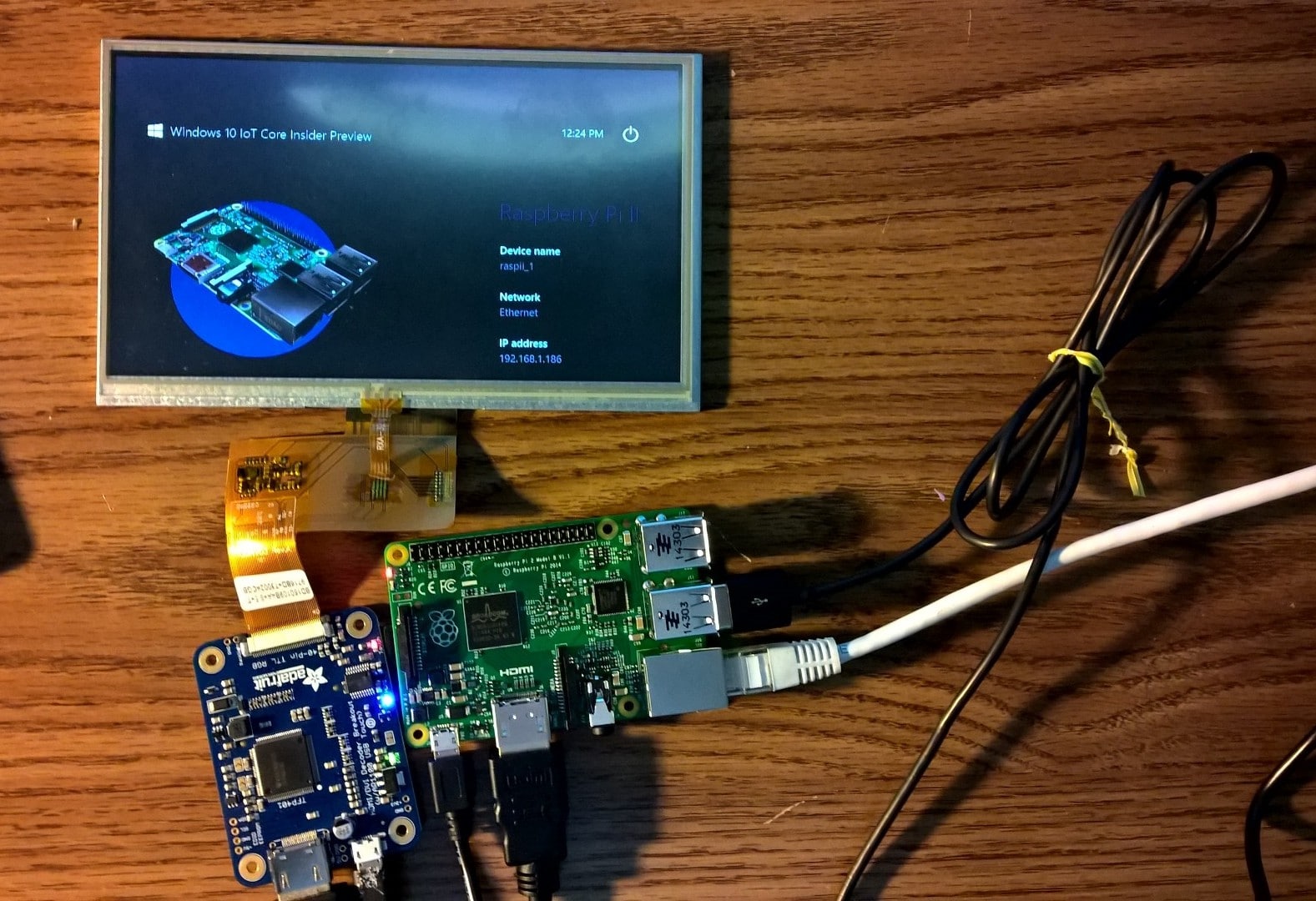
Raspberry Pi has become a go-to device for IoT enthusiasts worldwide, and for good reason. This tiny yet powerful computer is packed with features that make it ideal for building IoT networks:
- Cost-Effective: Raspberry Pi is incredibly affordable, making it accessible for both beginners and professionals.
- Highly Customizable: With a wide range of operating systems and libraries available, you can tailor your Pi to fit your specific needs.
- Community Support: The Raspberry Pi community is vast and active, providing endless resources and tutorials to help you get started.
- Energy Efficient: Raspberry Pi consumes minimal power, making it perfect for long-term deployments.
Whether you're building a smart home system or a large-scale industrial IoT network, Raspberry Pi can handle it all. Plus, its compatibility with AWS makes it a natural choice for cloud-based projects.
Setting Up Your Raspberry Pi for IoT
Before you can connect your Raspberry Pi to AWS, you'll need to set it up properly. Here's a quick step-by-step guide to help you get started:
Step 1: Install an Operating System
Begin by installing an operating system on your Raspberry Pi. The most popular choice is Raspberry Pi OS, which is lightweight and user-friendly. You can download it from the official Raspberry Pi website and use a tool like Balena Etcher to flash it onto an SD card.
Step 2: Configure Wi-Fi and SSH
To manage your Raspberry Pi remotely, you'll need to enable Wi-Fi and SSH. You can do this by editing the config files on your SD card before inserting it into your Pi. Simply create a file named "wpa_supplicant.conf" and add your Wi-Fi credentials. Then, create an empty file called "ssh" to enable the SSH server.
Step 3: Connect to Your Pi
Once your Pi is up and running, you can connect to it via SSH using a tool like PuTTY or the terminal. This will allow you to manage your Pi remotely and install any necessary software.
Configuring a VPC Network on AWS
Now that your Raspberry Pi is ready, it's time to set up your VPC network on AWS. Here's how you can do it:
Step 1: Create a New VPC
Log in to your AWS Management Console and navigate to the VPC dashboard. Click on "Create VPC" and enter a name for your network. You can also specify the IPv4 CIDR block, which defines the range of IP addresses available in your VPC.
Step 2: Set Up Subnets
Subnets allow you to divide your VPC into smaller segments, each with its own IP address range. Create public and private subnets to ensure that your devices are properly isolated and secure. Public subnets can access the internet, while private subnets remain hidden.
Step 3: Configure Security Groups
Security groups act as virtual firewalls for your VPC. You can define rules that control inbound and outbound traffic to your instances. For example, you might allow SSH access from specific IP addresses or restrict access to certain ports.
Connecting Raspberry Pi to AWS
With your Raspberry Pi and VPC network ready, it's time to connect them. Here's how you can do it:
Step 1: Install AWS CLI
The AWS Command Line Interface (CLI) allows you to interact with AWS services from your Raspberry Pi. Install it by running the following command:
sudo apt-get install awscli
Once installed, configure it by running:
aws configure
Enter your AWS access key, secret key, region, and output format when prompted.
Step 2: Use AWS IoT Core
AWS IoT Core is a managed service that allows you to securely interact with your IoT devices. You can use it to send and receive messages, monitor device status, and manage device fleets. To connect your Raspberry Pi to IoT Core, you'll need to create a thing, a certificate, and a policy.
Step 3: Test Your Connection
Finally, test your connection by publishing a message to a topic using the MQTT protocol. If everything is set up correctly, you should see the message appear in your AWS IoT Core console.
Downloading and Managing Data
Once your IoT network is up and running, you'll likely want to download and manage the data it generates. Here are a few tips to help you do that:
- Use AWS S3 to store your data in a scalable and durable manner.
- Set up automated backups to ensure your data is always safe.
- Utilize AWS Lambda functions to process and analyze your data in real-time.
By leveraging these services, you can create a robust data management system that meets your needs.
Best Practices for Remote IoT VPC Networks
To ensure the success of your remote IoT VPC network, here are some best practices to keep in mind:
- Always use strong passwords and encryption to protect your data.
- Regularly update your Raspberry Pi and AWS services to patch security vulnerabilities.
- Monitor your network for unusual activity and set up alerts for potential threats.
- Document your setup and configurations to make troubleshooting easier in the future.
Following these guidelines will help you build a secure and reliable IoT network.
Common Challenges and Solutions
While setting up a remote IoT VPC network can be rewarding, it's not without its challenges. Here are some common issues and how to solve them:
Challenge 1: Connectivity Issues
If your Raspberry Pi is having trouble connecting to AWS, check your Wi-Fi settings and ensure that your security groups allow the necessary traffic.
Challenge 2: Data Overload
With so many devices generating data, it's easy to become overwhelmed. Use AWS services like Kinesis to stream and process your data efficiently.
Challenge 3: Security Concerns
To protect your network from unauthorized access, use multi-factor authentication and regularly review your security policies.
Conclusion
And there you have it—a comprehensive guide to building a remote IoT VPC network with Raspberry Pi and AWS. By following the steps outlined above, you can create a powerful and secure system that connects your IoT devices from anywhere in the world.
Remember, the key to success lies in planning, testing, and continuously improving your setup. Don't be afraid to experiment and explore new possibilities. After all, that's what makes tech so exciting!
So, what are you waiting for? Grab your Raspberry Pi, log in to AWS, and start building your dream IoT network today. And if you found this article helpful, don't forget to share it with your friends and leave a comment below. Happy building!
Table of Contents
- What is a Remote IoT VPC Network?
- Why Choose Raspberry Pi for Your IoT Setup?
- Setting Up Your Raspberry Pi for IoT
- Configuring a VPC Network on AWS
- Connecting Raspberry Pi to AWS
- Downloading and Managing Data
- Best Practices for Remote IoT VPC Networks
- Common Challenges and Solutions
- Conclusion